Login

– Before you continue reading –

Not only do we know almost everything about kombucha, we also brew it!

Our 8-times award-winning Raw Kombucha combines millions of active cultures with smart organic ingredients and vitamin C. Thirsty yet? Visit our shop and see for yourself!

Try Kombuchery
Editorial Note: This article deals with general scientific findings on kombucha and not with Kombuchery products. Scientific findings and study results are not automatically transferable to individual foods or products. The article does not replace medical or nutritional advice and is not to be understood as a health-related statement about specific foods or products.

The content is based on scientific literature, publicly available sources, and the author's assessment, and does not claim to be exhaustive. New studies may confirm, supplement, restrict, or refute existing findings. Scientific publications should therefore always be considered in the overall context of the available evidence.

Studies generally refer to the specific conditions, ingredients, microorganisms, dosages, manufacturing processes, and groups of people investigated. The presented results cannot therefore be readily transferred to other foods, recipes, manufacturing processes, or products.

No statements about the effects, properties, or health benefits of specific foods or products can be derived from the information presented.

Health-related claims for foods in the European Union are subject to the applicable legal requirements. The presentation of scientific research is therefore not to be equated with a permissible health-related claim about a food or product.

If you would like to delve deeper into a topic, we recommend consulting the scientific sources linked in the article and other independent specialist literature to gain as comprehensive an understanding as possible of the current state of research.

For a better feeling: The 7-Day Kombucha Challenge

Depending on how it is made, kombucha can contain live cultures and can be incorporated into your personal enjoyment routine as a fermented drink. In everyday life, we often forget how relaxing small moments of well-being can be. In our 7-Day Kombucha Challenge, we provide you with a small daily routine that you can easily incorporate into your everyday life with a bottle of kombucha.

You don't need much for this: just one week with a little free time and a desire for kombucha. How you feel after a week is individual. The challenge is primarily intended as a conscious enjoyment and everyday routine that combines kombucha with small personal moments of well-being.

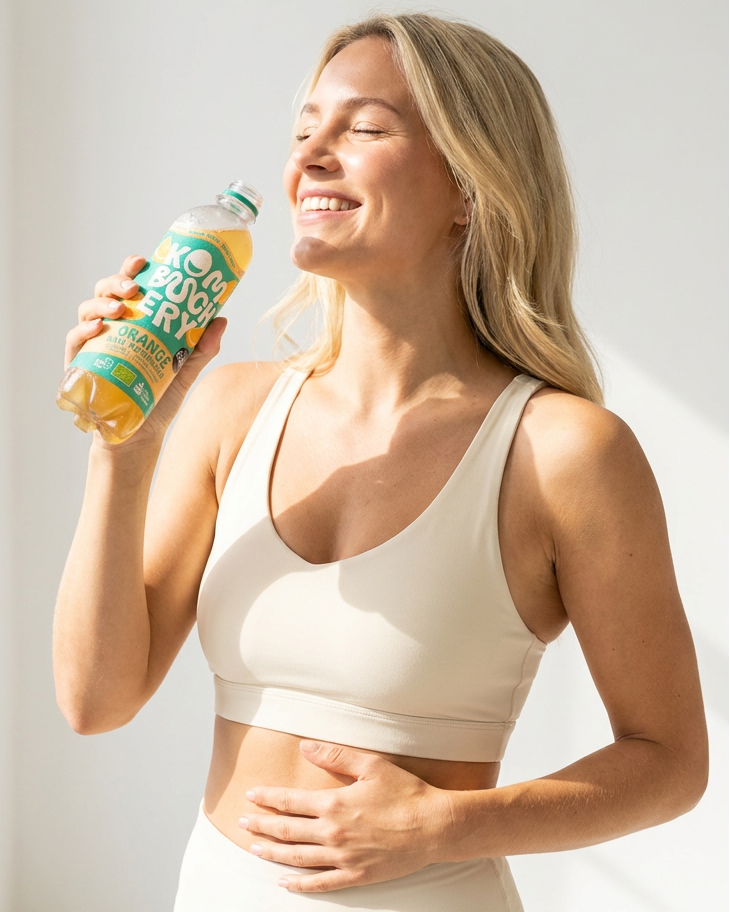
Woman drinking water – a mindful start to the 7-Day Kombucha Challenge

Day 1: Drink kombucha and drink enough water

Today, on Day 1, have a bottle of your favorite kombucha for breakfast. Also make sure to drink enough throughout the day. How high your individual fluid requirement is depends on factors such as height, activity, temperature, and diet. Kombucha complements your morning routine as a fermented soft drink with live cultures.

Relaxing full bath with rose petals, candles, and a book for a mindful break

Day 2: Alkaline bath and kombucha – time to relax

Take an hour for yourself today and treat yourself to an alkaline bath with candles and kombucha. Alkaline bath salts can be purchased at the pharmacy or drugstore. A warm bath can be experienced as a relaxing ritual and help you consciously switch off. Heat can also be perceived as pleasant after exercise. However, a special alkaline effect or a targeted acceleration of muscle regeneration cannot be generally derived from this. Kombucha also fits well with its characteristic sour taste for this conscious moment of relaxation. The perfect combination!

Sun-drenched pine forest for a relaxing walk on Day 3

Day 3: Get out into the fresh air and enjoy kombucha afterwards

Today, get out into the fresh air. Whether you live in the big city or in the countryside: There are always opportunities to spend an hour in nature. Take time for a relaxing walk in the forest or in the nearby park and then treat yourself to a chilled bottle of kombucha.

Meditation in the lotus position as a mindful exercise for more self-love

Day 4: Self-love and meditation

Today we celebrate your feelings and consciously allow emotions. Open the windows in your apartment and let fresh air into your four walls. Take half an hour and listen to yourself. How do you feel today? What is moving you? How is your gut feeling? What do you feel like today? Do you do things because you think you have to do them? Breathe deeply in and out and feel into yourself. Afterwards, you can very slowly enjoy a bottle of kombucha and consciously take time for yourself.

Carrot soup with fresh herbs as an idea for a mindful meal

Day 5: Enjoy carrot soup and kombucha

Today there is a delicious carrot soup for dinner. A chilled bottle of kombucha goes well with it as a sparkling accompaniment. Enjoy your meal in peace and consciously take time for this small moment of well-being.

Movement and mindful breaks as part of a personal well-being routine

Day 6: Yoga, stretching, and kombucha

Today you treat your body to a gentle stretching program. You don't need to be a professional yogi or particularly athletic for this. Instead of a yoga mat, you can also use a blanket as a base or practice on a comfortable rug. Afterwards, you can treat yourself to a bottle of kombucha as a small moment of enjoyment and consciously start the day or let the evening wind down.

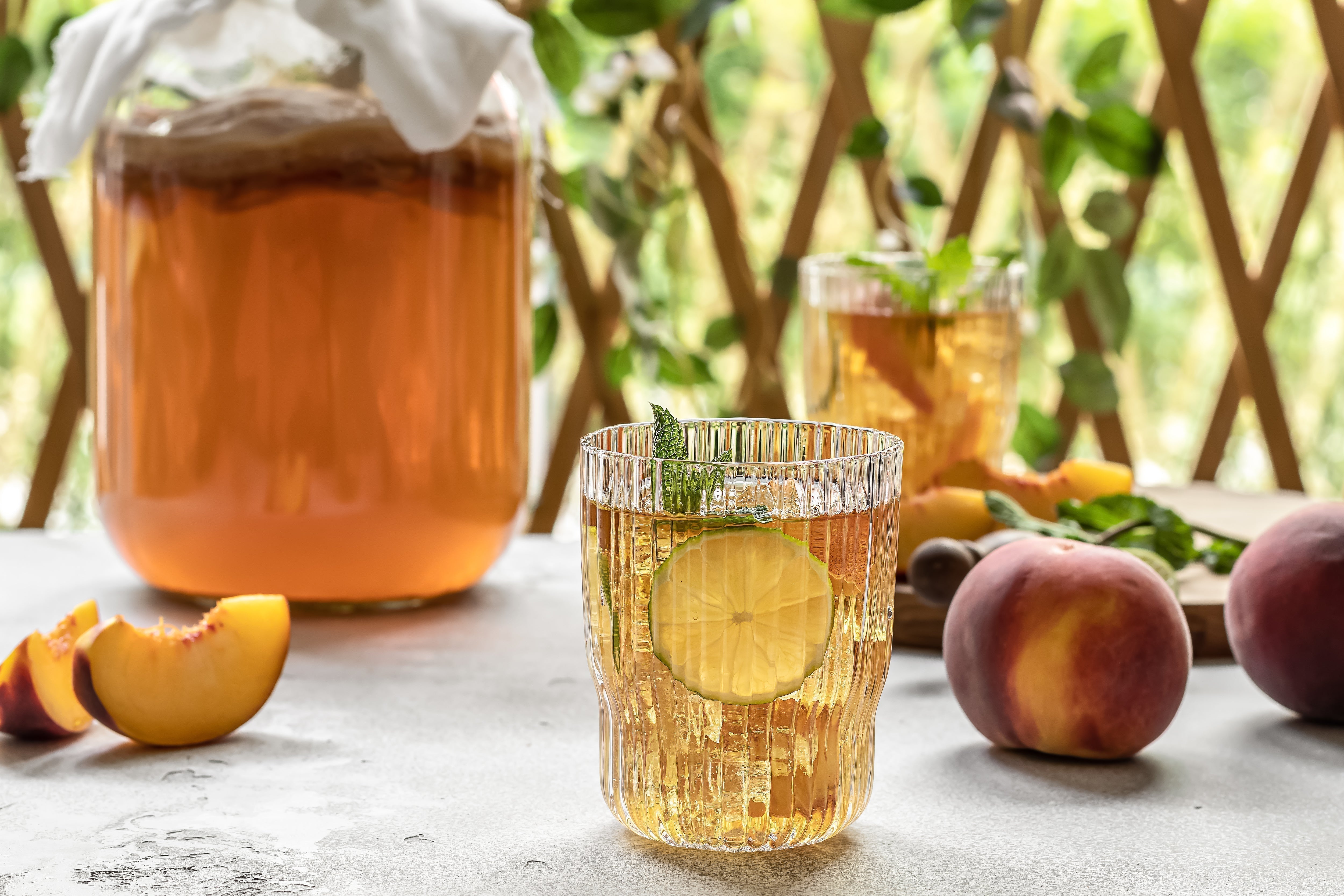
Kombucha mocktail with a lemon slice and mint leaves as a refreshing moment of enjoyment

Day 7: Enjoy a kombucha mocktail with friends

You can be proud of yourself and the past few days! To end the week, there is a delicious kombucha mocktail with your female and male friends. For two people, you need:

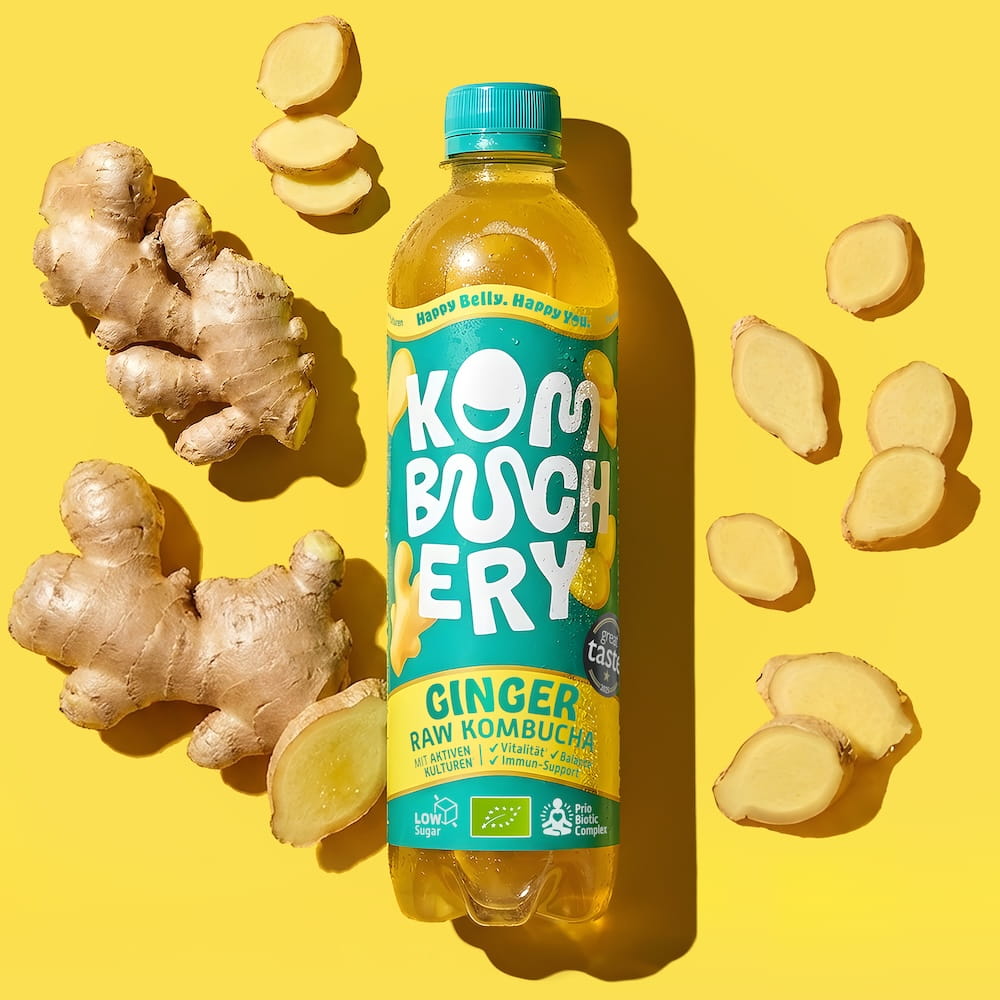
  • 1 bottle of Kombuchery Ginger Kombucha
  • Juice from ¼ lemon
  • 2 lemon slices
  • 1 tsp basil
  • Some syrup to taste
  • Peppermint leaves for decoration

Mix the kombucha with lemon juice and syrup to taste. Pour the mocktail into two glasses and garnish it with lemon slices, basil, and peppermint leaves. This way, kombucha quickly becomes a refreshing mocktail to enjoy together.

Sharing happy moments is often even more fun than enjoying them alone. Our well-being is influenced by many factors – social contacts, exercise, relaxation, and small conscious breaks in everyday life are also included. The 7-Day Kombucha Challenge invites you to take some time for yourself every day and discover kombucha as part of your personal enjoyment routine.
Leave a comment

Please note, comments need to be approved before they are published.

This site is protected by hCaptcha and the hCaptcha Privacy Policy and Terms of Service apply.

Recommended articles for you

More of my articles, from A, like alcohol-free kombucha cocktails, to Z, like lemon-ginger kombucha, can be found on our Kombuchery blog. Let's learn more about kombucha together!

View all

Herbstliche Kombucha-Rezepte: 5 Ideen mit Apfel, Birne und Gewürzen

Autumn Kombucha Recipes: 5 Ideas with Apple, Pear, and Spices

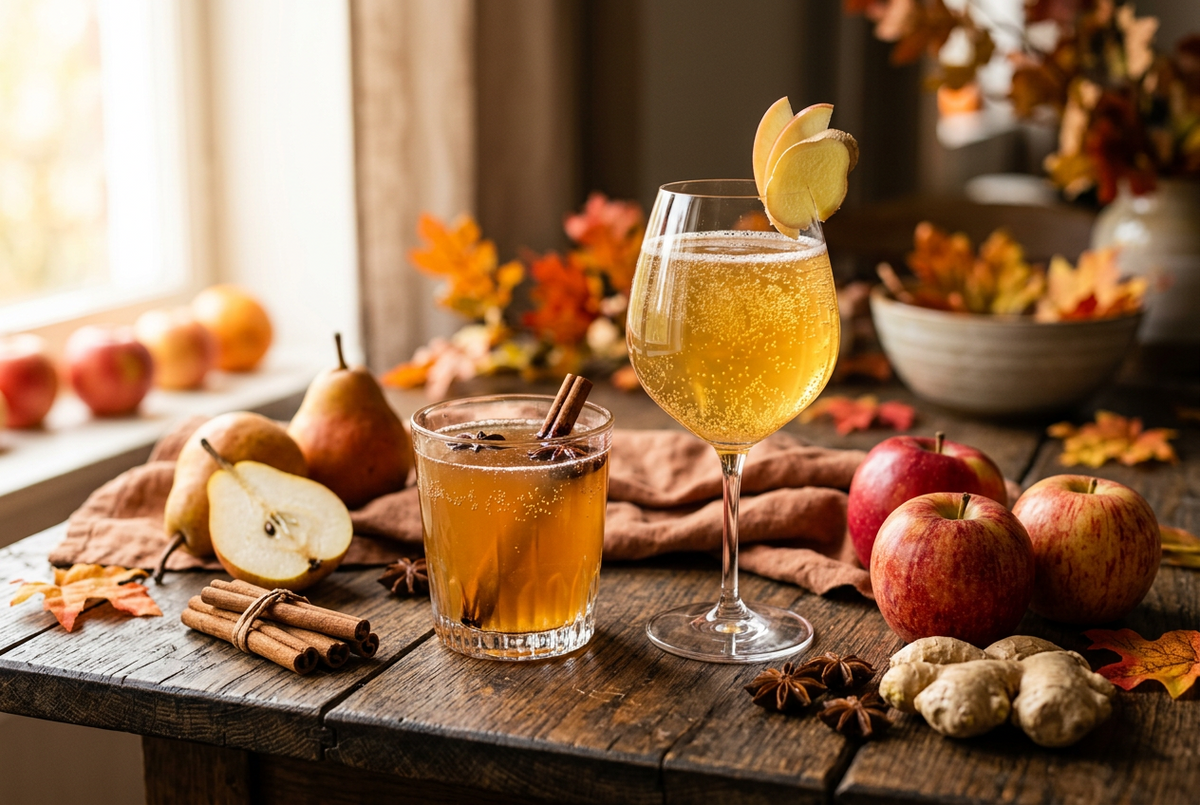
When the days get shorter, the air outside smells of autumn, and we make ourselves cozy at home, a little autumn can also move into the glass. 🍂 How about fruity apple, juicy pear, a pinch of cinnamon, and a...

Read moreabout Autumn Kombucha Recipes: 5 Ideas with Apple, Pear, and Spices

Mate Tee Trinkhalm Mateteegefaess

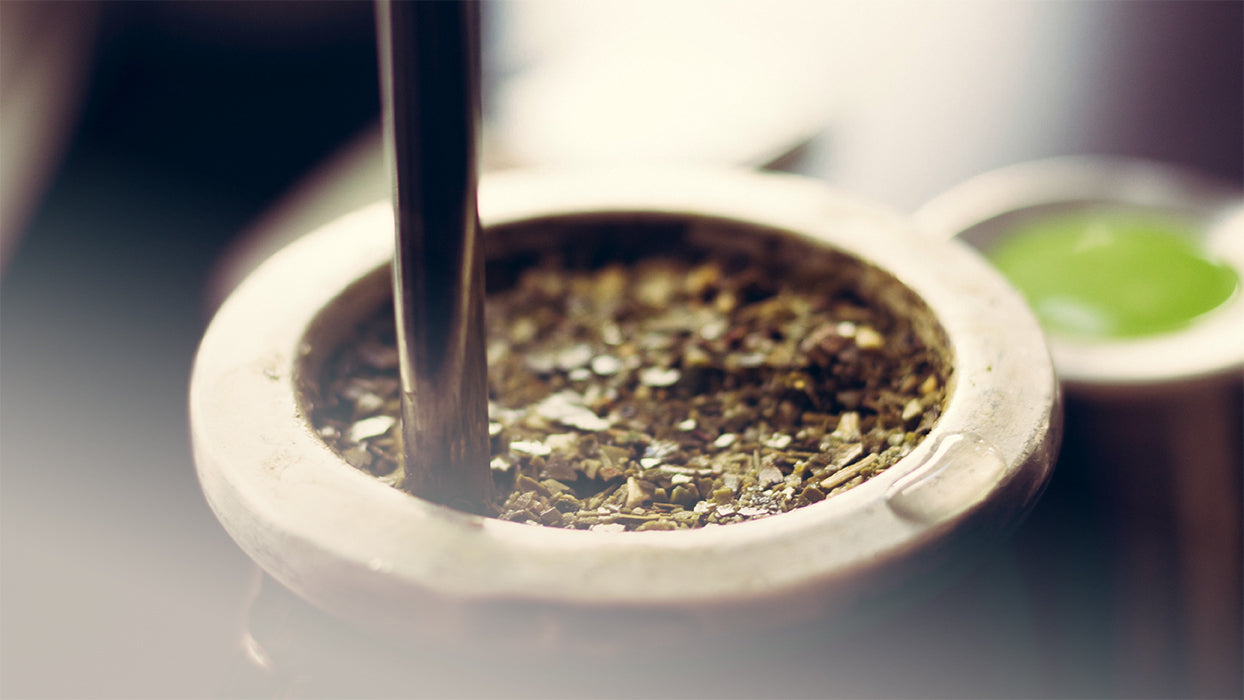
Mate Kombucha: What you should know about mate tea, caffeine, and yerba mate

Mate tea meets kombucha Mate and kombucha can be combined for an exciting flavor profile: the characteristically bitter, slightly smoky taste of mate meets the typical sweet-tart note of fermented kombucha. Mate tea has a long tradition, especially in South...

Read moreabout Mate Kombucha: What you should know about mate tea, caffeine, and yerba mate

Schwangere Frau im Anschnitt grosser Bauch Wiese Abendsonne

Is kombucha suitable for pregnant women and children? All about the alcohol content

Who should drink kombucha? Kombucha is a fermented tea drink. Fermentation can produce small amounts of alcohol. Depending on the tea used, kombucha may also contain caffeine. But how is alcohol actually produced in kombucha? How high can the alcohol...

Read moreabout Is kombucha suitable for pregnant women and children? All about the alcohol content

Warum kann Kombucha Alkohol enthalten? Alle Fragen zum Alkoholgehalt im Überblick

Why Can Kombucha Contain Alcohol? All Your Questions About Alcohol Content Answered

How is alcohol formed in kombucha? Is there kombucha without alcohol? Can pregnant women drink kombucha? Can I make alcohol-free kombucha? All your questions about kombucha and alcohol answered here!

Read moreabout Why Can Kombucha Contain Alcohol? All Your Questions About Alcohol Content Answered

10 Fakten zu Kombucha kaufen oder selber brauen Inhaltsstoffe

Fermented Tea Drink – 10 Interesting Kombucha Facts

What You Should Also Know About Kombucha 1. Kombucha Shelf Life How long kombucha lasts depends on how it is made, bottled, and stored. Because of this, it is not possible to give a general shelf life of several months...

Read moreabout Fermented Tea Drink – 10 Interesting Kombucha Facts

Kombucha, Wasserkefir & funktionale Limonaden im Vergleich

Kombucha, Water Kefir & Functional Lemonades in Comparison

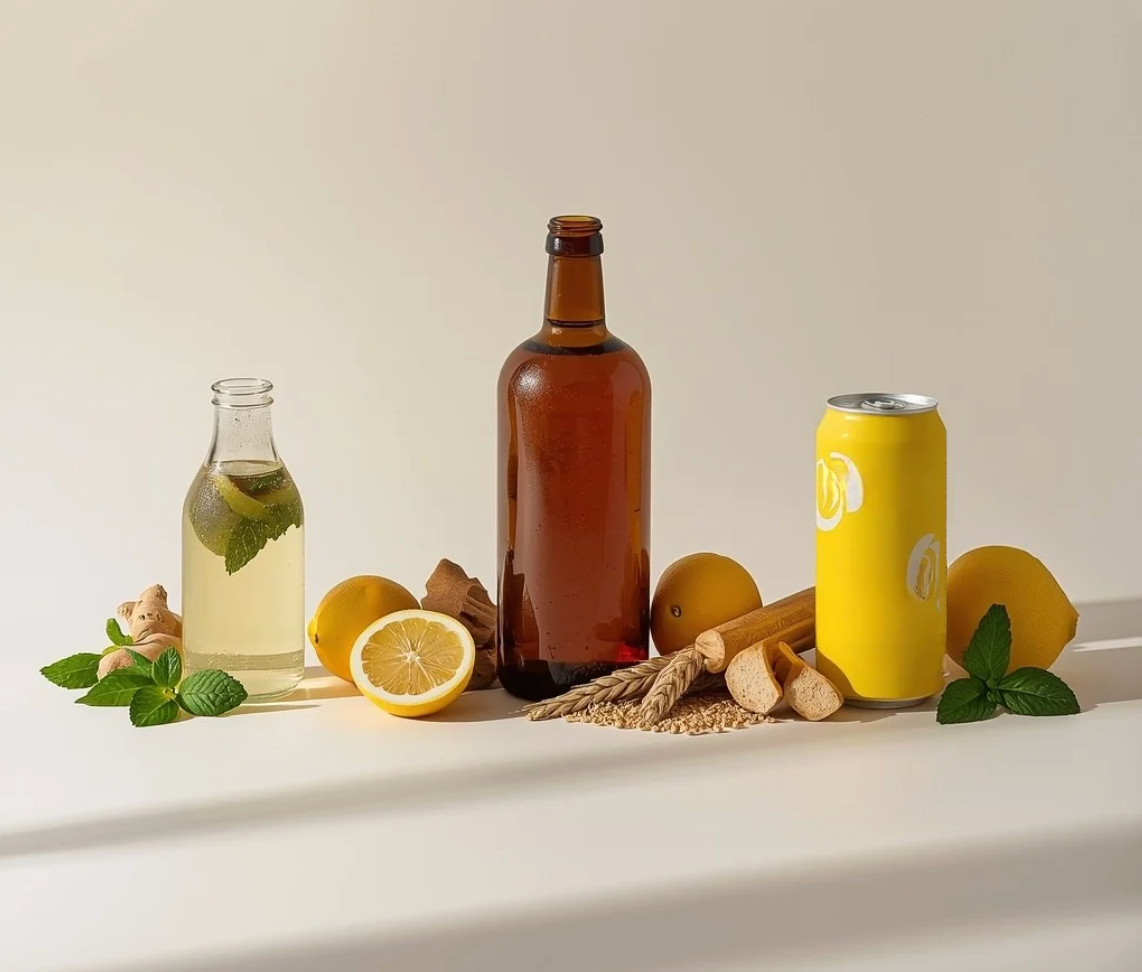
Kombucha or Water Kefir? A Comparison with Functional Lemonades The range of beverages has changed significantly in recent years. In addition to classic soft drinks, an increasing number of fermented beverages and so-called functional lemonades are now available in supermarkets....

Read moreabout Kombucha, Water Kefir & Functional Lemonades in Comparison

Kombucha Guide Berlin: 10 Cafés & Restaurants in 5 Bezirken

Kombucha Guide Berlin: 10 Cafés & Restaurants in 5 Districts

Urban Wellness in Berlin: 5 Neighborhoods Where You Can Discover Kombucha Berlin is one of Europe's most exciting cities when it comes to modern food and drink culture. With its sweet and sour taste, kombucha is a perfect fit for...

Read moreabout Kombucha Guide Berlin: 10 Cafés & Restaurants in 5 Districts

Kombucha und seine Wirkung: Wissenschaftliche Studien zu Inhaltsstoffen, Fermentation und Gesundheit

Kombucha and Its Effects: Scientific Studies on Ingredients, Fermentation, and Health

Kombucha is one of the most intensively studied fermented beverages of recent years. Modern microbiological, nutritional, and clinical studies show that the drink possesses an exceptionally complex biochemical composition. Numerous bioactive compounds are formed during fermentation, including organic acids, polyphenols,...

Read moreabout Kombucha and Its Effects: Scientific Studies on Ingredients, Fermentation, and Health

World Kombucha Day am 21. Februar: Geschichte, Fakten & Tipps zum Feiern

World Kombucha Day on February 21: History, Facts & Tips for Celebrating

World Kombucha Day: Celebrate the Sparkling History of Kombucha Every year on February 21, World Kombucha Day is celebrated. The promotional day invites kombucha fans to discover the variety of the fermented tea drink – whether homebrewed or store-bought. It...

Read moreabout World Kombucha Day on February 21: History, Facts & Tips for Celebrating

¹at the time of bottling
²Vitamin C contributes to the normal function of the immune system, normal energy-yielding metabolism, and the protection of cells from oxidative stress.
  • Vitamin C contributes to the normal function of the immune system.
  • Vitamin C contributes to normal psychological function.
  • Vitamin C contributes to normal energy-yielding metabolism.
  • Vitamin C contributes to the reduction of tiredness and fatigue.
  • Vitamin C contributes to the normal functioning of the nervous system.
  • Vitamin C contributes to the protection of cells from oxidative stress.
  • Vitamin C contributes to the regeneration of the reduced form of vitamin E.
  • Vitamin C contributes to normal collagen formation for the normal function of the skin.
  • Vitamin C contributes to normal collagen formation for the normal function of blood vessels.
  • Vitamin C contributes to normal collagen formation for the normal function of bones, cartilage, teeth and gums.
  • Vitamin C increases iron absorption.