

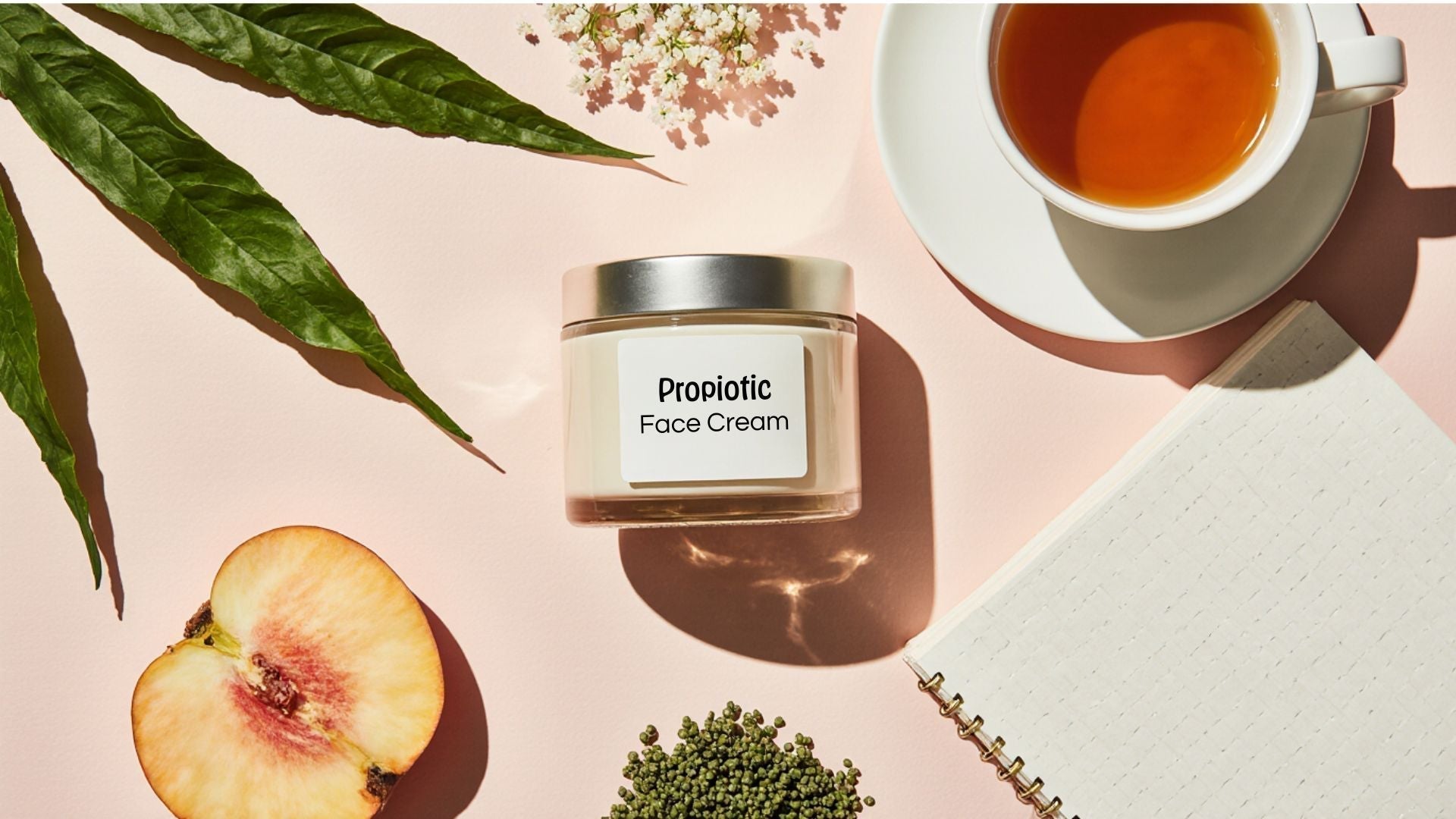


Prebiotic and probiotic skincare: Trend or scientifically effective?
The skin microbiome: A complex ecosystem
The skin is the largest organ in the human body and a complex ecosystem inhabited by a variety of microorganisms. This community of bacteria, fungi, and other microbes is known as the skin microbiome. The microorganisms interact with each other and with the skin. Changes in the skin microbiome are being investigated in connection with various skin conditions. This is why prebiotic, microbial, and fermented ingredients are increasingly coming into focus in skincare research.
Prebiotic skincare: Nutrients for specific skin microbes
Prebiotics are substances that can be used by certain microorganisms and can thus influence their activity or composition. In skincare products, inulin, certain oligosaccharides, and plant polysaccharides are used, among others. Whether an ingredient actually has a prebiotic effect on the skin depends on its properties, the formulation, and the microorganisms present. Not every plant extract or sugar is automatically a proven prebiotic.
Probiotic skincare: Live and inactivated microorganisms
Various products are marketed under the term "probiotic skincare". Some formulations contain live microorganisms, while others contain fermentation filtrates, lysates, or components of inactivated microorganisms. These categories are not equivalent: fermented ingredients do not necessarily contain live microbes. Whether a specific formulation affects the skin microbiome or the skin barrier must be investigated for the respective ingredient and the finished product.
Mechanisms of action of pre- and probiotic skincare
Prebiotic, fermented, and microbial ingredients are being investigated with regard to various possible mechanisms of action. These include changes in the microbial composition as well as possible effects on the skin barrier and skin hydration. The results depend on the ingredient, its concentration, stability, and the overall formulation, among other factors. Findings on a single active ingredient therefore cannot be generalized to all skincare products advertised as prebiotic or probiotic.
Application and practical tips
The choice of skincare should suit the individual needs of the skin. For sensitive skin, it is recommended to introduce new products gradually and first test them on a small area of skin. Such a tolerance test can reveal possible reactions, but does not reliably rule them out when applied later. Gentle formulations and a simple skincare routine can help avoid unnecessary irritation.
How a product works and when possible changes become visible depends on the formulation, the ingredients, the skin type, and regular application. Therefore, no general timeframe can be given for prebiotic or microbial ingredients.
What should you look out for with pre- and probiotic skincare?
When choosing, it is worth looking at the ingredients, quality, and formulation. Prebiotic substances can be inulin or certain oligosaccharides, for example. However, products with fermented extracts or inactivated microorganisms are not automatically probiotic in the strict sense. A corresponding marketing term alone does not prove effectiveness.
The overall composition is crucial: fragrances, high concentrations of certain alcohols, acids, or other ingredients can affect tolerance depending on the formulation and skin type. For sensitive, acne-prone, or otherwise irritated skin, it is recommended to introduce new products carefully. For persistent or severe symptoms, dermatological advice should be sought.
Storage and shelf life
Proper storage depends on the manufacturer's instructions. Not every product with fermented ingredients needs to be refrigerated; conversely, storage in the refrigerator does not automatically guarantee the safety or effectiveness of a product. Stability and shelf life depend on the formulation, packaging, and the preservative system used, among other factors. Pay attention to the best-before date or the indicated period after opening (PAO, "Period After Opening").
For products that actually contain live microorganisms, their stability and microbiological quality are particularly relevant. Therefore, rely on the tested manufacturer's information and not on general storage or shelf-life rules.

The most important things at a glance
Mechanisms of action and possible effects
Prebiotic, microbial, and fermented ingredients are being investigated in connection with the skin microbiome, the skin barrier, and skin hydration. Which effects actually occur depends on the respective ingredient, its concentration, stability, and the overall formulation. Results cannot be generalized to all products or skin conditions.
Which aspects are being researched?
- Possible changes in the composition of the skin microbiome
- Influence of certain formulations on the skin barrier
- Possible changes in skin hydration
- Differences between live microorganisms, inactivated microbes, and fermentation filtrates
- Tolerance and possible effects on different skin conditions
Practical tips for application
-
Check the ingredients
Pay attention to which substances are actually contained. Fermented extracts and components of inactivated microorganisms are not equivalent to live probiotic cultures.
-
Consider your own skin type
For sensitive skin, you should introduce new products gradually. For acne, eczema, or other skin conditions, individual tolerance is particularly important; for persistent symptoms, dermatological advice may be useful.
-
Consider the overall formulation
A single advertised ingredient says little about the effect of the finished product. Concentration, composition, stability, and tolerance are crucial, among other factors.
-
Follow the product instructions
Adhere to the manufacturer's application instructions and storage recommendations. When possible changes become visible depends on the product and individual skin conditions.
Pre- and probiotic skincare: Trend or scientifically effective?
The skin microbiome is an active area of research in dermatology. Among other things, it is being investigated how certain prebiotic, microbial, and fermented ingredients are connected to the microbial composition, the skin barrier, and skin hydration. However, the scientific evidence varies depending on the ingredient and formulation. Not every marketing promise is supported by reliable studies on the finished product.
Such products can be part of a skincare routine based on gentle cleansing, suitable moisturization, and well-tolerated products. When choosing, concrete ingredients, product quality, and individual tolerance are more meaningful than the term "prebiotic" or "probiotic" alone.
Kombucha and DIY skincare: What should you consider?
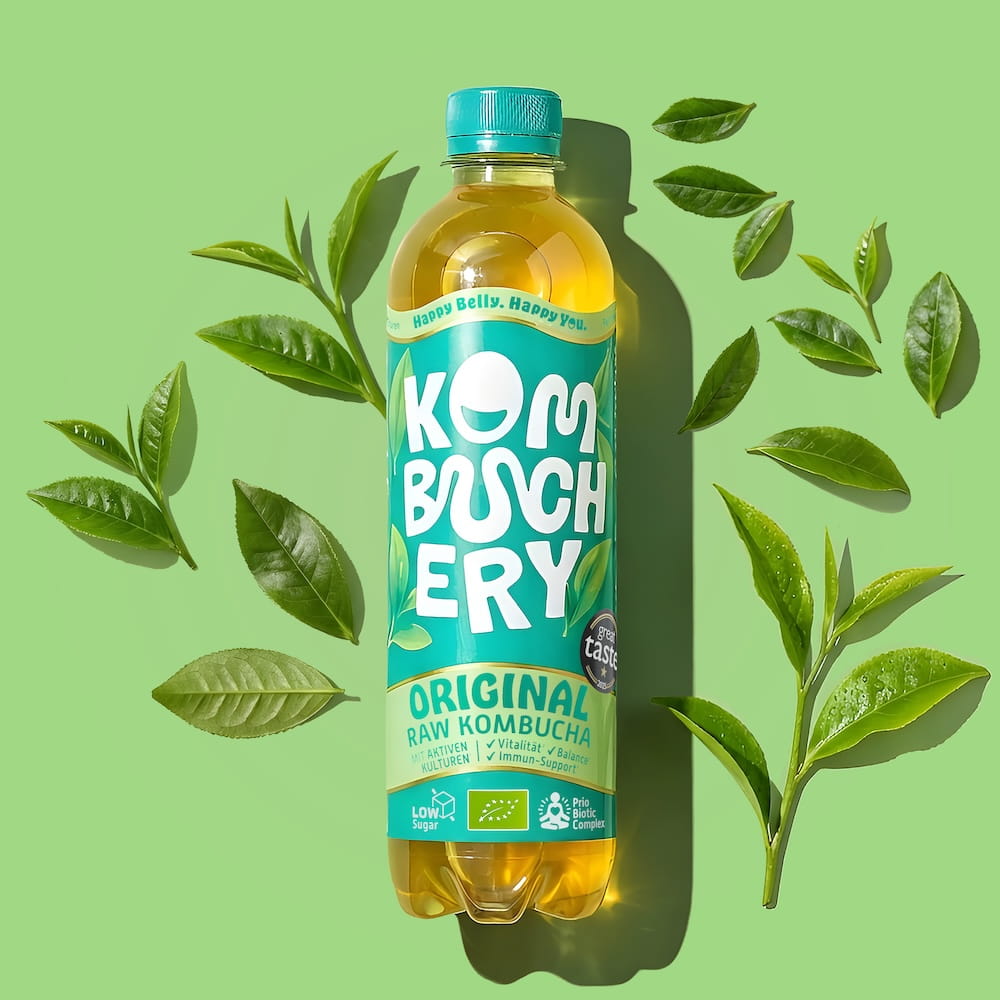
Kombucha is a fermented food and not a standardized cosmetic product. Even homemade kombucha can differ significantly in terms of pH, composition, and microbiological quality. Dilution with water or aloe vera gel does not automatically make it skin-compatible or microbiologically safe.
Therefore, it is not recommended to make and store homemade fermented kombucha as a facial toner or serum. A patch test and storage in the refrigerator also do not reliably rule out possible irritation or contamination. For skincare, cosmetic products whose composition, stability, and microbiological quality have been specifically tested are the more reliable choice.
If you are interested in fermented ingredients in skincare, pay attention to the specific INCI list and what function the manufacturer substantiates for the respective ingredient. A fermented ingredient does not automatically mean that the product contains live cultures or demonstrably improves the skin microbiome.
Frequently asked questions about pre- and probiotic skincare
What is the difference between prebiotic and probiotic skincare?
Prebiotic ingredients are intended to serve as a substrate for certain microorganisms. The term probiotic, on the other hand, refers to live microorganisms with a proven benefit. However, many products advertised as probiotic contain fermentation filtrates or inactivated components instead of live cultures.
Is pre- or probiotic skincare scientifically proven?
There is research on certain ingredients and formulations. However, the level of evidence varies depending on the product. Results on a single active ingredient do not automatically prove the effectiveness of all products marketed as prebiotic or probiotic.
Can I apply kombucha directly to the skin?
This is not recommended for homemade kombucha. Its composition and microbiological quality are not standardized for cosmetic use. Dilution or a patch test does not guarantee safety.
Do products with probiotic ingredients need to be stored in the refrigerator?
Not necessarily. Proper storage depends on the respective formulation. Follow the manufacturer's instructions and do not assume that refrigeration alone guarantees stability or safety.










Share: