
Login

– Before you continue reading –

Not only do we know almost everything about kombucha, we also brew it!

Our 8-times award-winning Raw Kombucha combines millions of active cultures with smart organic ingredients and vitamin C. Thirsty yet? Visit our shop and see for yourself!

Try Kombuchery
Editorial Note: This article deals with general scientific findings on kombucha and not with Kombuchery products. Scientific findings and study results are not automatically transferable to individual foods or products. The article does not replace medical or nutritional advice and is not to be understood as a health-related statement about specific foods or products.

The content is based on scientific literature, publicly available sources, and the author's assessment, and does not claim to be exhaustive. New studies may confirm, supplement, restrict, or refute existing findings. Scientific publications should therefore always be considered in the overall context of the available evidence.

Studies generally refer to the specific conditions, ingredients, microorganisms, dosages, manufacturing processes, and groups of people investigated. The presented results cannot therefore be readily transferred to other foods, recipes, manufacturing processes, or products.

No statements about the effects, properties, or health benefits of specific foods or products can be derived from the information presented.

Health-related claims for foods in the European Union are subject to the applicable legal requirements. The presentation of scientific research is therefore not to be equated with a permissible health-related claim about a food or product.

If you would like to delve deeper into a topic, we recommend consulting the scientific sources linked in the article and other independent specialist literature to gain as comprehensive an understanding as possible of the current state of research.

How to use overly sour kombucha

The step from fermented tea drink to delicious vinegar is really not complicated. If you have produced too much kombucha, you don't have to dispose of it immediately. With a little patience, your tea drink will turn into delicious vinegar in 4 to 10 weeks. This tastes similar to apple cider vinegar without any additional spices. Here too, there are no limits to the flavors you can create.

How is kombucha vinegar made?

First, you simply start a new batch for fermentation. How to do this in detail is explained for fermentation beginners here.

The SCOBY now simultaneously becomes your vinegar mother. Kombucha is made from a starter liquid, tea, sugar, and with the help of a SCOBY (symbiosis of yeasts and bacteria cultures). Acid is produced during fermentation. The longer the fermentation lasts, the more acid is produced. The added sugar ferments more and more over time. To make vinegar from it, it simply has to ferment for much longer. Since this process can extend over several weeks, you need a little more patience than with the usual fermentation of 7 to 14 days. Normally, the correct vinegar ripeness is reached between 4 and 10 weeks.

When is your kombucha vinegar ready?

As with kombucha, there is no general answer. We recommend an initial fermentation of 4 weeks. After that, the fine-tuning can take place. The liquid should be brought to a pH value of about 2. To do this, you can add one tablespoon of sugar every 2 weeks over a period of 6 weeks. This helps the SCOBY with fermentation and you will achieve the very acidic environment faster. In between, you can, of course, always taste it with a small spoon to see if the vinegar is appealing to you.

Refining kombucha vinegar with spices

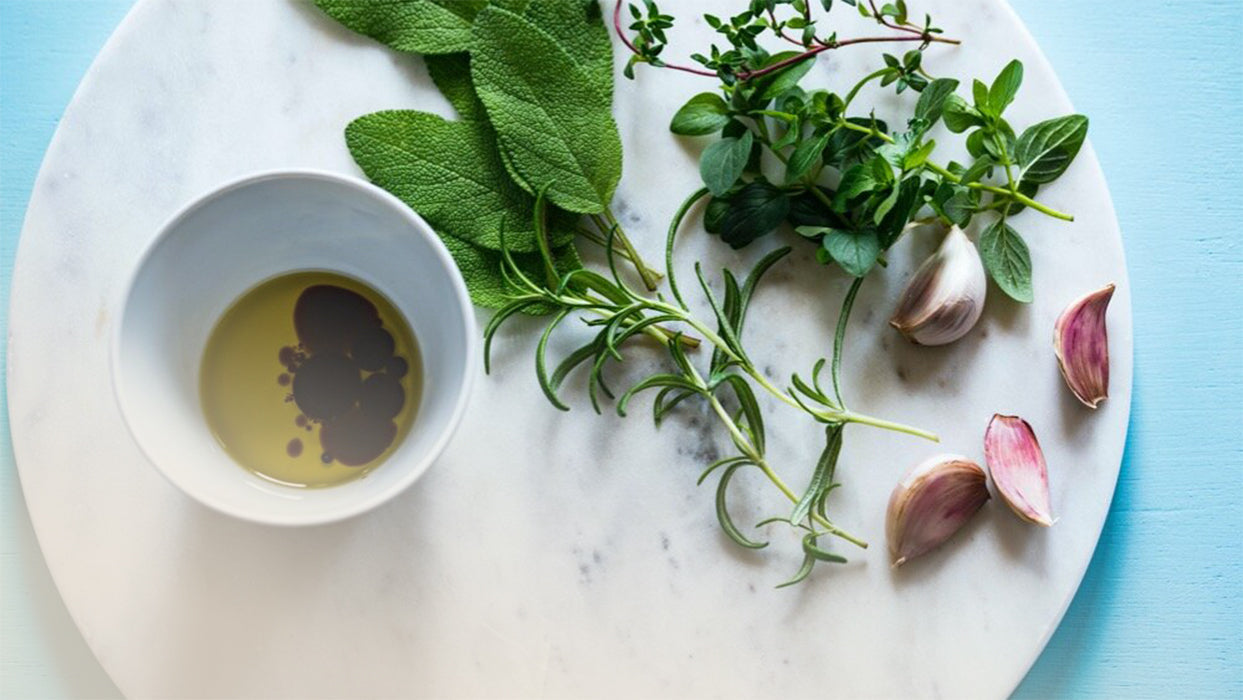
Add even more flavor to your vinegar with spices! There are no limits to the flavors here. We recommend storing the refined vinegar for another 2-3 weeks in a sealed bottle in a cool, dark place.

Possible ingredients for refining:

  • Thyme
  • Mint
  • Oregano
  • Basil
  • Garlic
  • Onions
  • Shallots
  • Lemon peel
Weisser Holzboden Leintuch aufgeschnittene Zitrone Krauter zwei Gefaesse mit Salz und Pfeffer

FAQs

Can the used SCOBY be used for a new kombucha batch after making kombucha vinegar?

The SCOBY can then continue to be used without problems for the fermentation of further kombucha.

How long does bottled vinegar last?

There is no general shelf life for homemade kombucha vinegar. Store it cleanly sealed and cool. If you see mold, an unusual smell, or other noticeable changes, you should no longer use it.
2 comments

    • Kombuchery
    • October 15, 2024 at 10:35 am

    Hallo Yvi,
    das geht einfach, wenn der SCOBY auch im Glas ist. Liebe Grüße!

    • Yvi
    • October 15, 2024 at 10:34 am

    Hallo!
    Wie genau ist das Zugeben von Zucker im 2 Wochen-Rhythmus gemeint? Soll der Scoby vorher abgegossen werden nach 4 Wochen und dann “gefüttert” oder noch während der Scoby drin ist?
    Vielen Dank fürs schlauer machen 😉
    LG

Leave a comment

Please note, comments need to be approved before they are published.

This site is protected by hCaptcha and the hCaptcha Privacy Policy and Terms of Service apply.

Recommended articles for you

More of my articles, from A, like alcohol-free kombucha cocktails, to Z, like lemon-ginger kombucha, can be found on our Kombuchery blog. Let's learn more about kombucha together!

View all

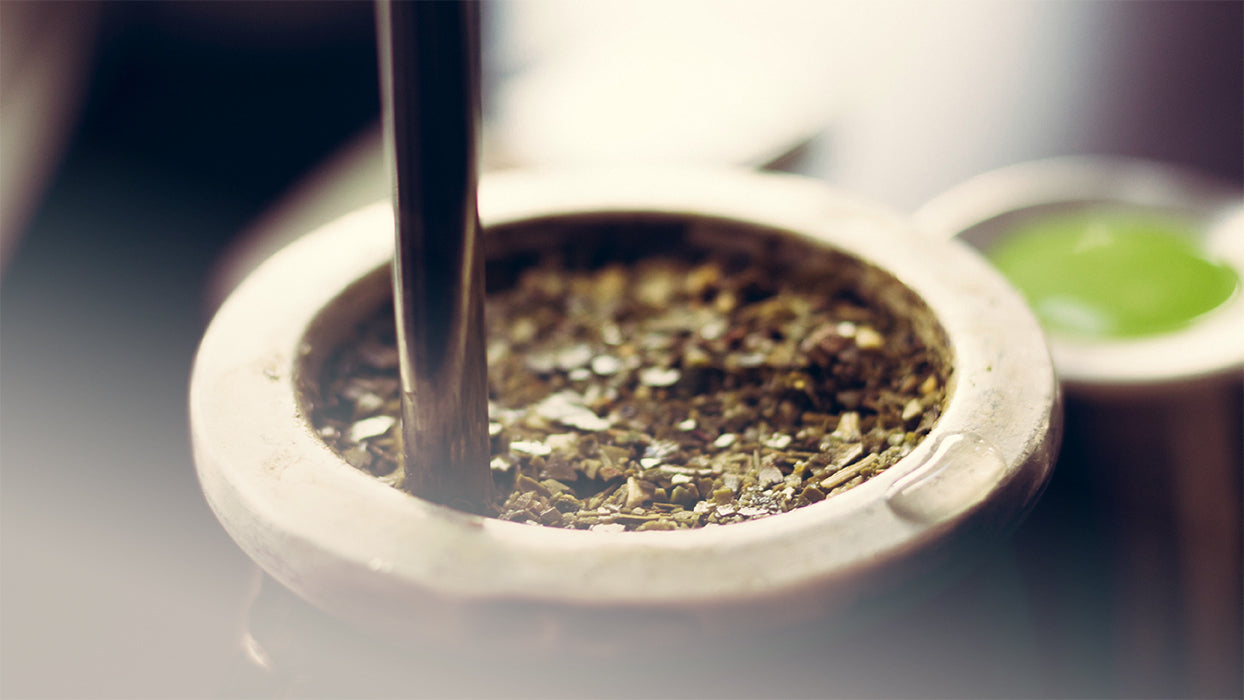
Mate Tee Trinkhalm Mateteegefaess

Mate Kombucha: What you should know about mate tea, caffeine, and yerba mate

Mate Tea Meets Kombucha Mate and kombucha can be excitingly combined in terms of taste: the characteristic tart, slightly smoky taste of mate meets the typical sweet and sour note of fermented kombucha. Mate tea has a long tradition, especially...

Read moreabout Mate Kombucha: What you should know about mate tea, caffeine, and yerba mate

Schwangere Frau im Anschnitt grosser Bauch Wiese Abendsonne

Is kombucha suitable for pregnant women and children? All about the alcohol content

Who should drink Kombucha? Kombucha is a fermented tea drink. Due to fermentation, small amounts of alcohol can be produced. In addition, depending on the tea used, kombucha can contain caffeine. But how exactly does alcohol form in kombucha? How...

Read moreabout Is kombucha suitable for pregnant women and children? All about the alcohol content

Warum kann Kombucha Alkohol enthalten? Alle Fragen zum Alkoholgehalt im Überblick

Why Can Kombucha Contain Alcohol? All Your Questions About Alcohol Content Answered

How is alcohol formed in kombucha? Is there kombucha without alcohol? Can pregnant women drink kombucha? Can I make alcohol-free kombucha? All your questions about kombucha and alcohol answered here!

Read moreabout Why Can Kombucha Contain Alcohol? All Your Questions About Alcohol Content Answered

10 Fakten zu Kombucha kaufen oder selber brauen Inhaltsstoffe

Fermented Tea Drink – 10 Interesting Kombucha Facts

What else you should know about Kombucha 1. Kombucha shelf life How long kombucha lasts depends on its production, bottling, and storage. Especially with homemade kombucha, a general shelf life of several months cannot be guaranteed. Even after bottling, the...

Read moreabout Fermented Tea Drink – 10 Interesting Kombucha Facts

Kombucha, Wasserkefir & funktionale Limonaden im Vergleich

Kombucha, Water Kefir & Functional Lemonades in Comparison

In recent years, the beverage market has changed significantly. In addition to classic soft drinks, an increasing number of fermented beverages and so-called functional sodas are now available in supermarkets. Kombucha, water kefir, and modern sodas with added fiber or...

Read moreabout Kombucha, Water Kefir & Functional Lemonades in Comparison

Kombucha Guide Berlin: 10 Cafés & Restaurants in 5 Bezirken

Kombucha Guide Berlin: 10 Cafés & Restaurants in 5 Districts

Urban Wellness in Berlin: 5 Neighborhoods Where You'll Find Really Good Kombucha Berlin is one of Europe's most exciting cities when it comes to modern food and drink culture. Kombucha is no longer a niche product here, but part of...

Read moreabout Kombucha Guide Berlin: 10 Cafés & Restaurants in 5 Districts

Kombucha und seine Wirkung: Wissenschaftliche Studien zu Inhaltsstoffen, Fermentation und Gesundheit

Kombucha and Its Effects: Scientific Studies on Ingredients, Fermentation, and Health

Kombucha is one of the most intensively studied fermented beverages in recent years. Modern microbiological, nutritional, and clinical studies show that the beverage has an exceptionally complex biochemical composition. During fermentation, numerous bioactive compounds are formed, including organic acids, polyphenols,...

Read moreabout Kombucha and Its Effects: Scientific Studies on Ingredients, Fermentation, and Health

World Kombucha Day am 21. Februar: Geschichte, Fakten & Tipps zum Feiern

World Kombucha Day on February 21: History, Facts & Tips for Celebrating

Celebrate the effervescent history of kombucha Every year on February 21, kombucha fans worldwide celebrate World Kombucha Day. But why exactly does this day exist? It's simple: it's a tribute to a drink that has delighted, inspired, and refreshed people...

Read moreabout World Kombucha Day on February 21: History, Facts & Tips for Celebrating

Nahrungsergänzungsmittel: Einsatz, Inhaltsstoffe & Risiken

Dietary Supplements: Use, Ingredients & Risks

Dietary Supplements: When They Can Be Useful and What to Consider In everyday life, it is not always possible to create a varied meal. Dietary supplements can specifically supplement the diet with individual nutrients, especially when an increased need or...

Read moreabout Dietary Supplements: Use, Ingredients & Risks

*Vitamin C contributes to the normal function of the immune system, normal energy metabolism, and the protection of cells from oxidative stress.
  • Vitamin C contributes to the normal function of the immune system.
  • Vitamin C contributes to normal psychological function.
  • Vitamin C contributes to normal energy-yielding metabolism.
  • Vitamin C contributes to the reduction of tiredness and fatigue.
  • Vitamin C contributes to the normal functioning of the nervous system.
  • Vitamin C contributes to the protection of cells from oxidative stress.
  • Vitamin C contributes to the regeneration of the reduced form of vitamin E.
  • Vitamin C contributes to normal collagen formation for the normal function of the skin.
  • Vitamin C contributes to normal collagen formation for the normal function of blood vessels.
  • Vitamin C contributes to normal collagen formation for the normal function of bones, cartilage, teeth and gums.
  • Vitamin C increases iron absorption.